
3 Things Every Homeowner Should Know Before Choosing Stone
Choosing stone for your home can feel like a pretty simple decision at first. You may walk into a showroom thinking, “I want quartz,” or “I want something white,” and then realize there are hundreds of options that all look a little different.
And that's actually a good thing.
Whether you're remodeling your kitchen, building a new home, updating a bathroom, or planning another custom stone project, the right material isn't just about finding a color you like. It's about finding a material that works for the way you live, fits your design, and makes sense for your project.
At Johnson Granite, we've helped homeowners navigate these decisions for more than 25 years. Here are three things we think are worth knowing before you start choosing your stone.
1. Choosing a Stone Is About More Than Just Color
One of the first things homeowners often tell us is, “I want granite,” or “I'm looking for something white.”
But there's a lot more to choosing a material than simply picking a color or material type.
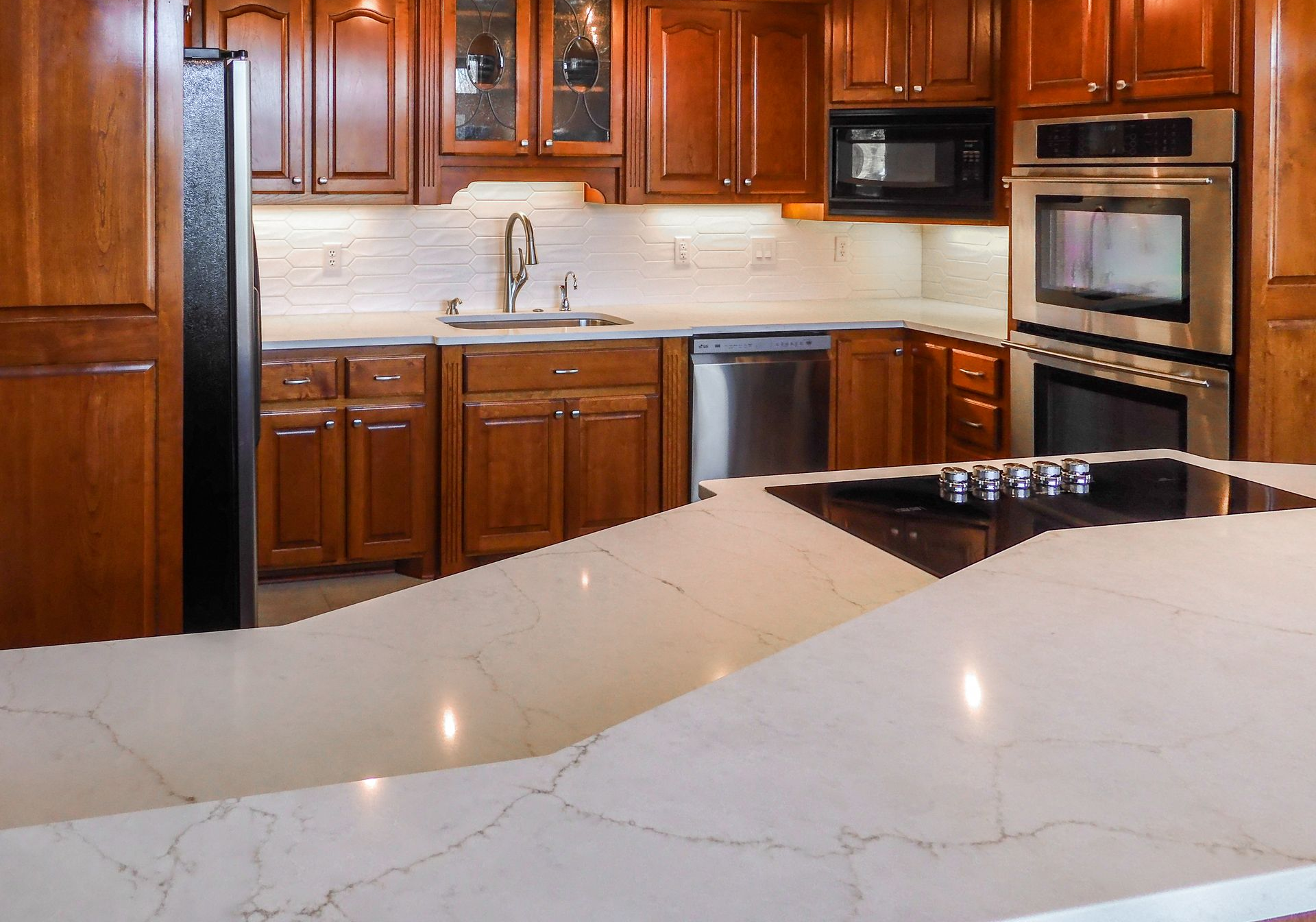
Quartz, for example, isn't just white. There are warm-toned whites and cool-toned whites. Some have very minimal movement, while others have dramatic veining. Some have subtle specks of color, while others may pull blue, green, brown, or other tones depending on the design.

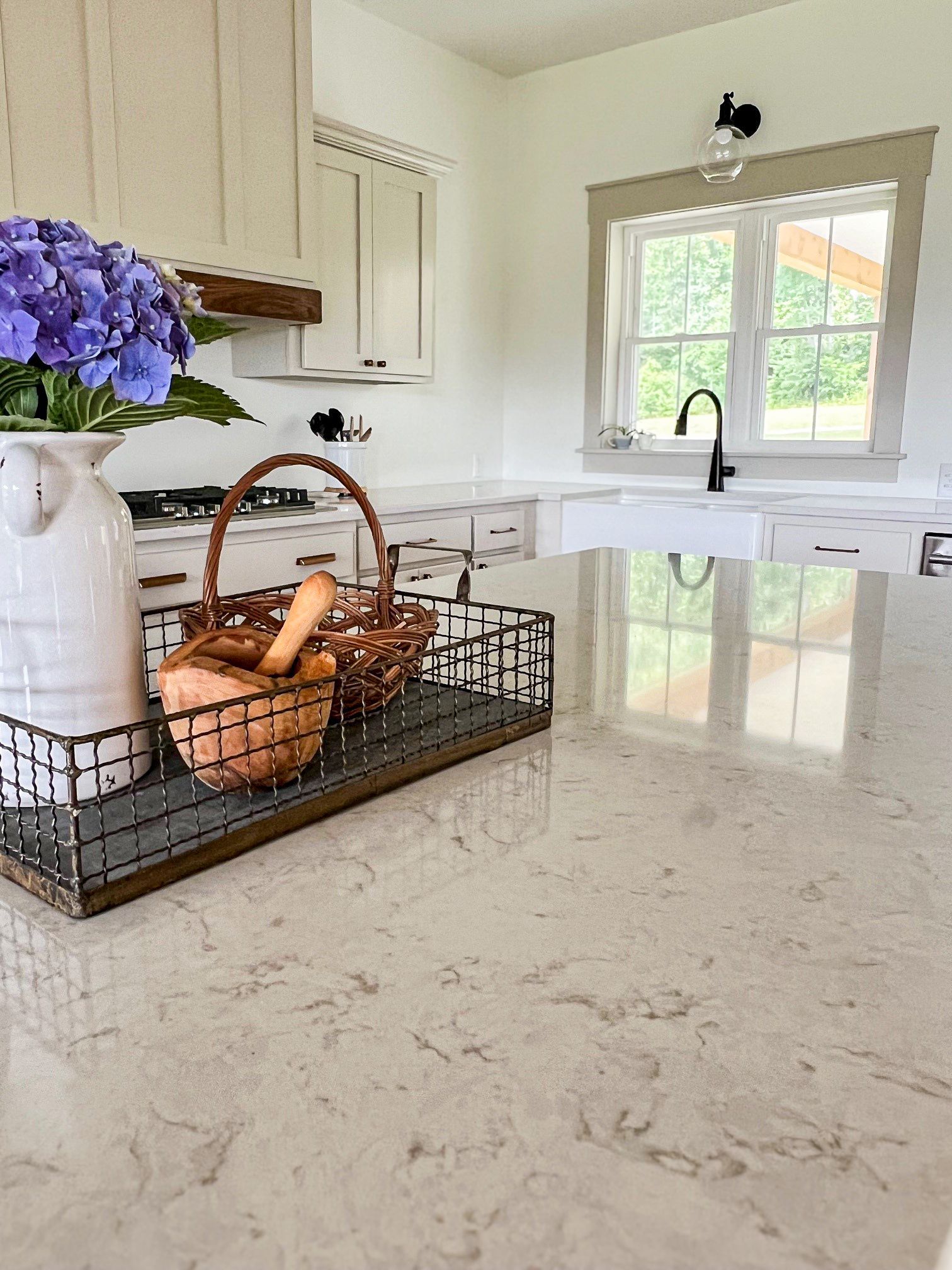

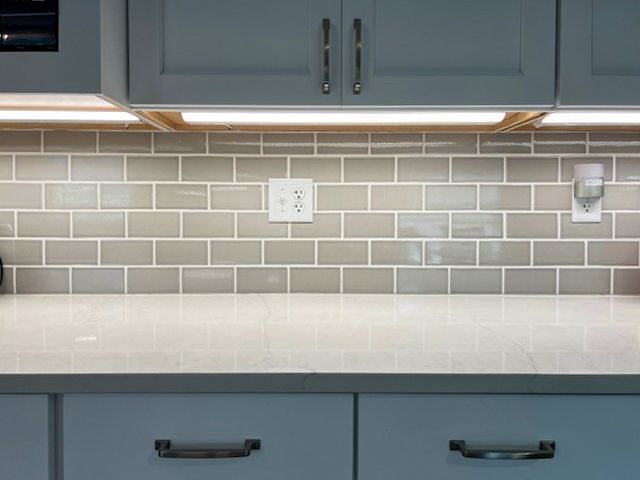
That's why one of the first things our design consultants want to understand is how you live in your space and what you're looking for visually.
Start with Your Lifestyle
Before getting too caught up in colors and patterns, think about how you actually use your home.
Do you want something that's as low-maintenance as possible? Are you comfortable with a little routine maintenance? Is this a busy family kitchen that gets used constantly (and might witness more than a few spills), or a space where appearance and hosting is your biggest priority?
Natural stone and engineered stone each have their own characteristics. Natural stones such as granite and quartzite offer the beauty and variation of material formed naturally in the earth, while quartz offers a durable, low-maintenance surface with a wide range of colors and patterns.
Natural stone does require periodic sealing, but it's a straightforward part of caring for the material. For many homeowners, the unique character of natural stone makes that small amount of maintenance worthwhile.
Once you understand what works for your lifestyle, then you can start thinking about what you want it to look like.
And that's where things get fun.
Think about your cabinets, flooring, backsplash, paint colors, hardware, and other finishes in the room. A stone that looks perfect by itself may look completely different once it's surrounded by the other materials in your home.
If you're still trying to decide between natural and engineered stone,
we've broken down the differences in more detail here.
Don't just look at a Sample—
Look at the Slab
Samples are incredibly helpful. They're a great place to start when you're trying to figure out what colors, patterns, and styles you naturally gravitate toward.
But one of our favorite parts of the selection process is taking that next step and seeing the full slab.
A small sample can give you an idea of the color and general pattern, but a full slab allows you to see how the movement flows, how the colors work together, and what the material actually looks like on a much larger scale.
In most applications, you're going to see a significant portion of that slab in your finished space. You want to make sure you love more than just the two-inch sample.
This is especially important with natural stone.
One of the things that makes natural stone so special is that every slab is unique. Slabs from the same lot will typically have similar characteristics, but there will still be natural differences from one slab to the next. That's part of the beauty of choosing something that was literally formed in the earth.
And if you're wondering what styles are trending right now, we're seeing homeowners move toward warmer tones. Even when someone wants a white stone, we're increasingly seeing warmer whites instead of the cooler whites and grays that have dominated for years.
That doesn't mean cool tones are going away. They can still work beautifully depending on the colors, textures, and other materials throughout a space. But overall, we're seeing homeowners gravitate toward a warmer, more inviting feel.



2. Your Stone Choices Can Affect Your Budget — So Compare Your Options
It's easy to look at a stone and immediately think about whether you love the color. But eventually, you also have to ask: What does this option mean for your budget?
And this is one of the biggest advantages of working with a design consultant in person.
When you're choosing materials at JGI, you don't necessarily have to pick one stone and hope it fits your budget.
We organize many of our materials into tiers and levels, giving you a helpful starting point as you shop. These tiers can help you understand where different materials fall in relation to one another and make it easier to narrow down options that fit both your style and your budget.


From there, if you're deciding between two or three materials, your design consultant can look at your rough measurements and other project details and help you understand how those choices may affect the overall cost.
For example, maybe you've narrowed your options down to three stones that you love. If the decision ultimately comes down to price, your design consultant can compare those materials and give you an idea of the difference in material cost based on your project. That's much more useful than simply knowing that one stone costs more per square foot than another.
Your overall project can also be affected by details such as the size of the space, sink selections, edge profiles, cutouts, installation requirements, and other custom features.
And if you've found the stone you love but want to explore ways to make the project fit your budget, financing may be an option. We offer flexible financing options through Service Finance Company, LLC, subject to credit approval. Your JGI Sales Associate can provide more information and help you understand the options available for your project.
You don't have to have every detail figured out before you walk through the door.
That's part of what we're here for.
Coming into the showroom gives you a much more hands-on way to explore your options, compare materials, ask questions, and get a better understanding of how different choices could affect both the look and investment of your project.
3. You Don't Have to Figure It All Out on Your Own
With so many materials, colors, patterns, applications, and design possibilities available, choosing stone can quickly become overwhelming — especially if you're starting from scratch.
That's where working with an experienced design consultant can make a difference.
At JGI, your showroom visit isn't just about walking around and looking at stone. Our design consultants can help you take all of those ideas in your head — your Pinterest inspiration, cabinet colors, overall style, budget, lifestyle, and project goals — and start narrowing them down into realistic options.
- Maybe you know you want something light but aren't sure whether you want warm or cool tones.
- Maybe you love the look of quartzite but aren't sure how it compares to quartz for your lifestyle.
- Maybe you have three stones picked out but can't decide between them.
- Or maybe you genuinely have no idea where to start.
That's okay.
Our goal is to help you understand your options so you can make a decision you feel confident about.

Why Visit the Showroom?
You can certainly browse stone online, but there are some things you simply can't get from a screen.
At the showroom, you can see materials in person, compare colors side-by-side, talk through your project with someone who understands the products, and visit our warehouse to see full slabs.
You can also start talking through your project details and get a better understanding of how your choices may affect the overall investment.
We welcome walk-ins at our showrooms, but scheduling an appointment gives you dedicated time with one of our experienced design consultants. This allows us to focus on your project, answer your questions, compare materials, and help guide you through the selection process.
You don't need to walk in knowing exactly what you want.
You just need to be ready to start exploring.
BONUS: What Should You Bring to Your Showroom Appointment?
You don't need to have your entire project figured out before you visit us. But bringing a few things with you can help make your consultation even more productive.
Bring Your Inspiration
Pinterest boards, saved Instagram posts, screenshots, or photos of spaces you love can help your design consultant understand your style — even if you don't know how to describe it yet.
Bring Your Cabinet or Paint Colors
If you already have cabinet samples, paint colors, flooring samples, or other finishes selected, bring them along. Seeing your potential stone next to the other materials in your space can make a huge difference.
Bring Your Project Information
If you have rough measurements, plans, drawings, or information from your builder or contractor, bring those too. They can help our team better understand your project and begin discussing your options.
Come With Questions
You don't have to know the difference between every type of stone before you walk through our doors. That's what we're here for.
Ask about maintenance. Ask about pricing. Ask why one material might work better for your project than another. Ask to see something similar to a photo you found online.
The more we understand about your project, the better we can help you find the right stone for
your home.
Ready to Start Exploring?
Choosing your stone doesn't have to be overwhelming. Whether you're just gathering ideas or you're ready to make a decision, visiting a JGI showroom gives you the opportunity to see your options in person, work with an experienced design consultant, and make choices that fit your home, lifestyle, and budget.
Start with a visit. Bring your questions. We'll help you take it from there.